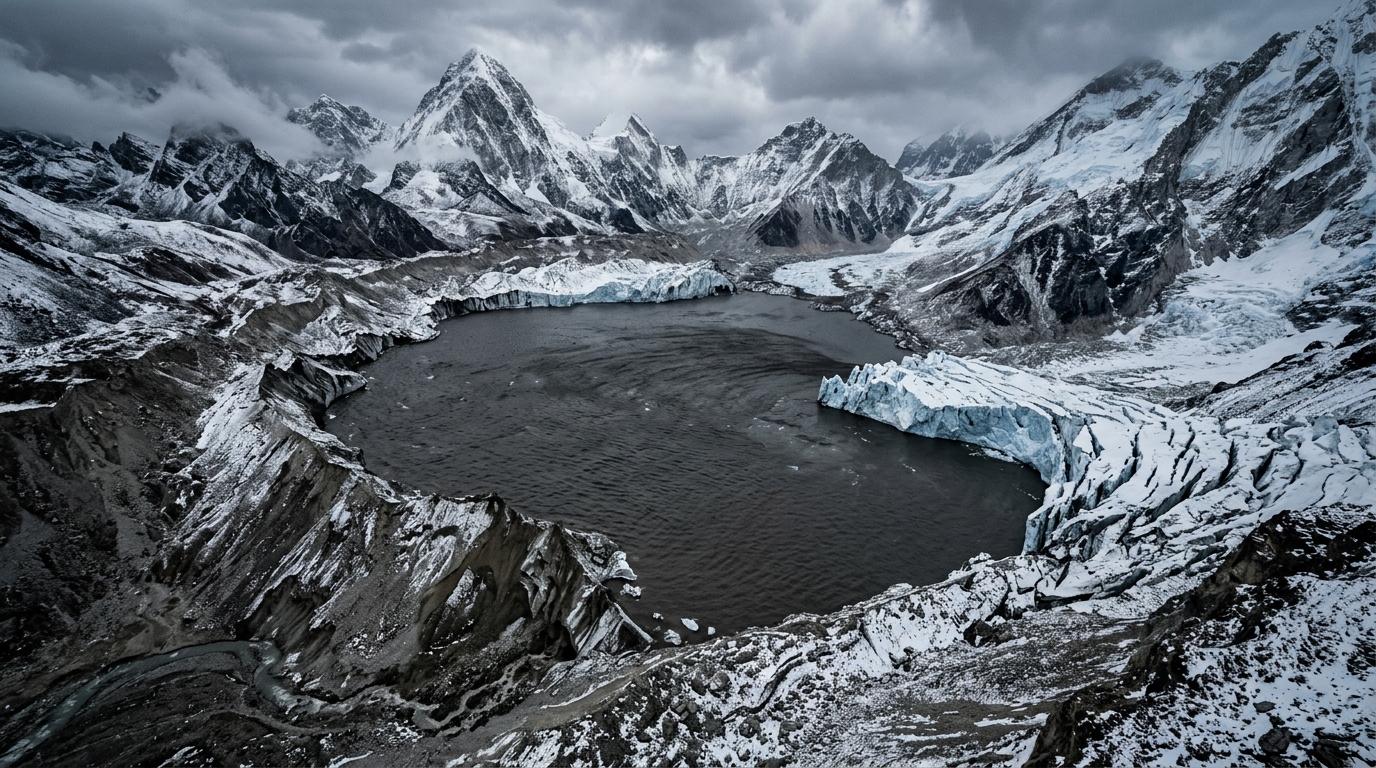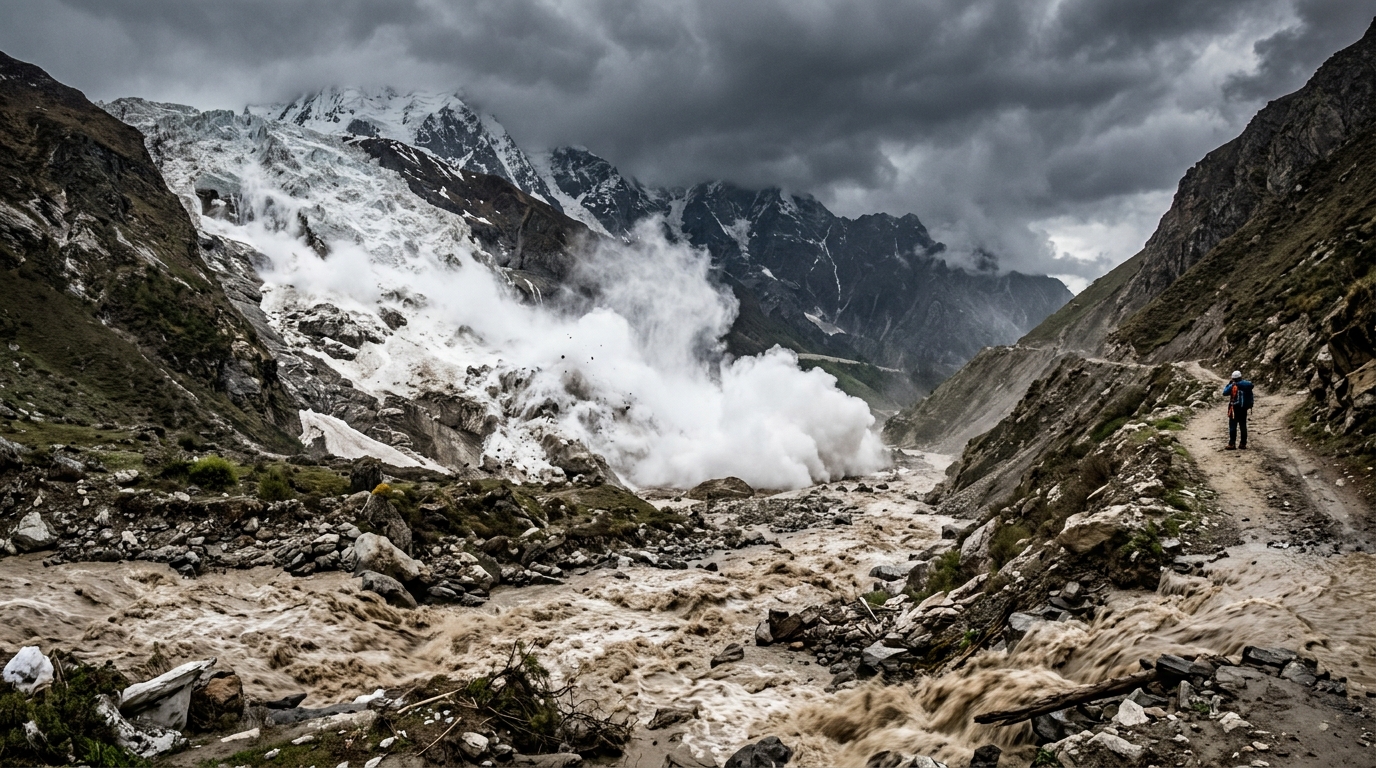
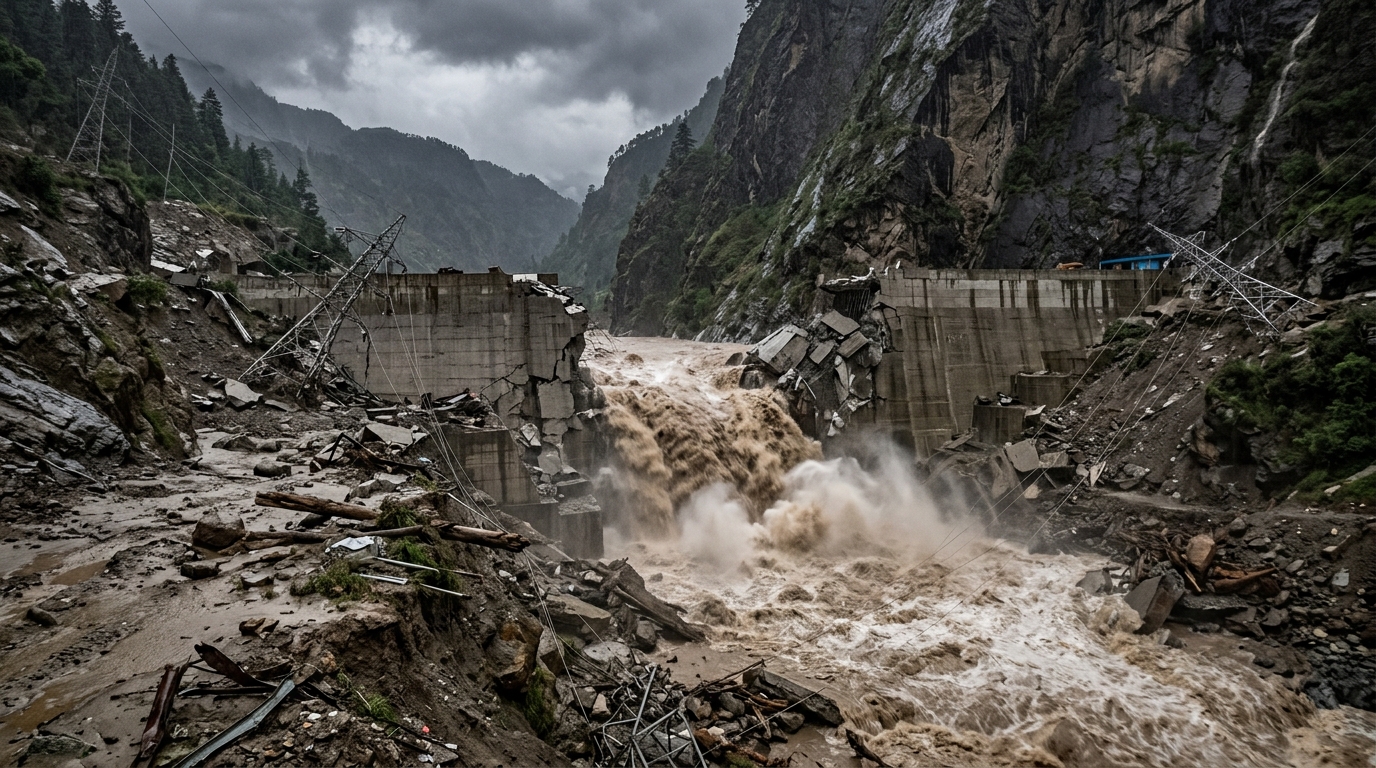
With 14 projects damaged and 431 MW wiped from the grid in minutes, the August 2026 flood has exposed a critical vulnerability in Nepal's hydropower-driven economic strategy.
For the past decade, the story of Nepal's economic ascent has been written in concrete and turbines. Hydropower was not just an energy strategy; it was our national ticket to prosperity. But in the space of a single afternoon on August 26, 2026, the raging waters of the Lhende Khola rewrote that narrative. The staggering loss of 14 hydropower projects to a catastrophic glacier avalanche has triggered an unprecedented crisis in Nepal’s energy sector, wiping out over 431 Megawatts (MW) of capacity and sending shockwaves through the Nepal Stock Exchange (NEPSE). ### The Casualties of the Corridor The Trishuli and Bhotekoshi river basins are some of the most heavily capitalized stretches of water in South Asia. When the wall of mud, ice, and boulders roared down the valley, it did not discriminate between operational plants and those under construction. **Major Projects Affected:** - **Rasuwagadhi (111 MW):** The flagship project, which had recently celebrated major milestones, saw its headworks completely submerged and heavily damaged by boulders. - **Upper Trishuli-1 (216 MW):** One of the largest Foreign Direct Investment (FDI) projects in the country, currently under construction, sustained catastrophic damage to its access roads and tunneling infrastructure. - **Chilime and Sanjen Khola:** Both sustained significant damage to transmission infrastructure and switchyards, effectively isolating them from the national grid. - **Devighat and Trishuli:** Older, established downstream projects were forced to shut down immediately as sediment loads overwhelmed their desanding basins. ### The Financial Shockwave The immediate physical damage is estimated in the tens of billions of rupees, but the secondary economic effects are far more severe. The sudden loss of 431 MW—a significant percentage of Nepal's total domestic generation capacity during the wet season—has completely derailed the nation's energy export plans for 2026. Instead of earning revenue by exporting surplus power to India, the Nepal Electricity Authority (NEA) is now forced into a defensive posture. To prevent rolling blackouts in major industrial corridors and the Kathmandu Valley, the NEA has had to drastically increase expensive power imports via the Dhalkebar-Muzaffarpur cross-border transmission line. On the NEPSE, the hydropower sub-index saw immediate volatility. Retail investors, who have heavily backed hydropower Initial Public Offerings (IPOs) in recent years, are now confronting the harsh reality of environmental risk. ### The Flaw in the Run-of-River Model Beyond the immediate financial pain, the August disaster has exposed a fundamental flaw in how Nepal builds its dams. The vast majority of our projects are Run-of-River (RoR). They rely on the natural flow of the river rather than large reservoirs. While cheaper to build and less environmentally disruptive in terms of flooding valleys, RoR projects are sitting ducks for Glacial Lake Outburst Floods (GLOFs) and massive sediment flows. When a river suddenly turns into a slurry of mud and rocks, RoR headworks are easily overwhelmed. The turbines cannot process the abrasive sediment, and the entire plant must be shut down, or worse, gets physically destroyed by the debris. ### Rebuilding with Reality in Mind The recovery will take years. For projects under construction like Upper Trishuli-1, timelines will be pushed back significantly. For operational plants, the complex task of dredging headworks and repairing precision turbines awaits. However, the most important rebuilding must happen in our risk models. Investors, banks, and the NEA can no longer treat '100-year flood' events as rare anomalies in the Himalayas. Climate change has aggressively accelerated the timeline. Future hydropower development in Nepal must mandate extreme-event resilience, massive sediment management capabilities, and comprehensive upstream early warning systems. The 'white gold' of the Himalayas is still there, but extracting it just became far more dangerous, and far more expensive.
Download Festive Wallpapers & Inspiring Quotes
Enjoy high-resolution mobile wallpapers (9:16), square DP (1:1), and festive quotes cards. Free to save and share.
Nepal Hydropower Crisis: The $4 Billion Question After the August Flood — Official HD Poster
"With 14 projects damaged and 431 MW wiped from the grid in minutes, the August 2026 flood has exposed a critical vulnerability in Nepal's hydropower-driven economic strategy."

Sacred Vow of Vitality — Mobile 9:16 Wallpaper
"This Raksha Bandhan, gift the vow of lifelong vitality—pure Himalayan nourishment in eco-friendly glass jars."

Bal Krishna & Ganesha Satvik Protection — Square 1:1
"Where sacred devotion meets biological stamina: nourishing our siblings with pure beetroot vitality."

Purity & Wellness Living Seeds — Poster 4:5
"A sacred thread on the wrist, lifelong cognitive vitality and health within."

Antioxidant Festive Mandala — Wide 16:9
"Celebrate with nature’s healing colors: 100% natural antioxidant-rich festive feast."
Sacred Raksha Bandhan Festive Superfood Hamper
Includes pure Himalayan superfoods in reusable glass jars with free festive greeting card.